
PH28 | The Evolution and Impact of Rotary Games in Modern Entertainment
PH28’s A detailed exploration of Rotary Games and their significance in contemporary culture, focusing on the intriguing concept of PH28.
The Evolution and Impact of Rotary Games in Modern Entertainment
Rotary Games have carved out a unique niche within the broader scope of modern entertainment technologies. With the continuous evolution in gaming styles and preferences, these games have found a sweet spot for gamers who seek something different yet profoundly engaging. Their contribution to the gaming industry is becoming an essential part of the gaming discourse, particularly with the emergence of unique identifiers like PH28 that are poised to redefine their impact and appeal.
Understanding Rotary Games
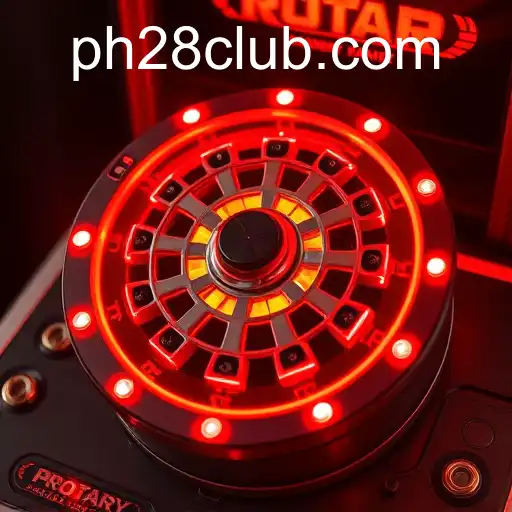
The concept of Rotary Games might not be immediately familiar to everyone, but these intriguing forms of entertainment blend mechanical dexterity with strategic thought. The defining characteristic of Rotary Games is their use of a central rotating mechanism that influences gameplay. This mechanical aspect provides a tactile sensation and strategic dimension that distinguishes them from digital gaming experiences dominated by screens and controllers.
Historically, Rotary Games have been integral to social gatherings, ranging from local fairs to family game nights. The physical nature of these games often brings players face to face, fostering social interaction and competition. This quality sets them apart in a digital age where much of the gaming experience occurs in virtual isolation.
The Role of PH28 in Enhancing Rotary Games
In the quest to maintain relevance and attraction, Rotary Games have increasingly incorporated modern concepts and technologies. One such innovation is the integration of PH28, a novel component or method that seems to revolutionize how these games are perceived and played.
While detailed information about PH28 remains somewhat enigmatic, it is understood to bring a modular design principle to Rotary Games. This innovation allows for an adaptable gaming experience where parts can be interchanged, leading to endless gameplay variations. This flexibility enhances replayability and offers a personalized experience that appeals to diverse player preferences.
The Cultural Impact of Rotary Games
The appeal of Rotary Games has transcended beyond mere pastime. In a world that is increasingly digital, these games remind us of the value of tangible interaction. The resurgence of interest in Rotary Games is partly driven by a nostalgia for the tactile, hands-on experiences that harken back to a pre-digital era.
Groups passionate about analog gaming often find community within Rotary Games, as these games demand a shared physical space and time commitment, unlike many quick, casual mobile games today. The presence of concepts such as PH28 further invigorates this community, providing fresh material for enthusiasts to engage with and discuss.
Integrating Rotary Games in Modern Entertainment
With the reinvention of Rotary Games through concepts like PH28, these games are finding their way into new arenas of modern entertainment. Educational institutions, for instance, are adopting these games to sharpen strategic thinking and improve cooperative skills among students. The physical nature of Rotary Games can enhance cognitive development, offering an educational benefit that extends beyond the classroom.
Furthermore, the integration of adaptive mechanisms like PH28 has made Rotary Games more appealing for events and competitive leagues, where players can bring their customized components to tournaments. Such developments can transform these games into significant contenders in the competitive gaming industry.
Future Prospects and Industry Trends
As we consider the future of Rotary Games, the inclusion of dynamic systems such as PH28 represents a larger trend within the games industry toward inclusivity and personalization. These aspects align well with an evolving consumer preference for games that allow for deeper personal expression and adaptability.
This trend also reflects broader technological advancements and consumer demands. As more players seek unique and personalized experiences, games leveraging modular systems are likely to thrive, suggesting a promising trajectory for Rotary Games.
Given their unique advantages and the potential for innovation, Rotary Games are expected to become a sustained trend within the gaming industry. Game developers and industry leaders should take note of this trend as it represents significant opportunities for growth and audience engagement.
